Product documents
- Technical Data Sheet
- Safety Data Sheet
- Certificate of Analysis or batch record
- Approval, test or conformity support where applicable
- Product and packaging identification
How we work
The process is designed to identify missing information early, keep the commercial basis visible and give each party a clear next decision. The exact steps and FORET’s contractual role are agreed for each transaction.
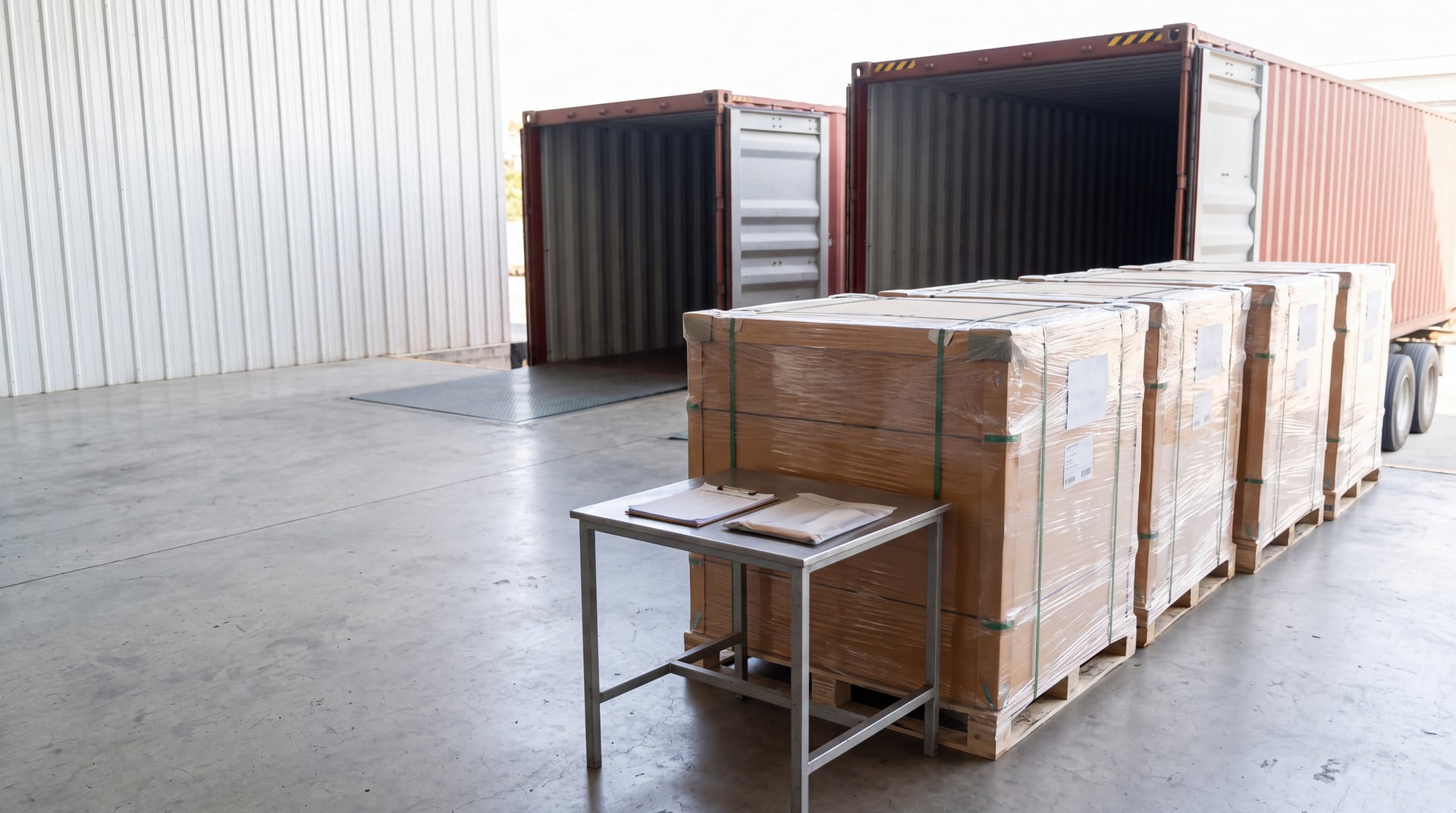
The buyer submits a product requirement, or the supplier presents a defined portfolio. FORET checks whether the information is sufficient for an initial commercial assessment.
A usable brief or a concise request for missing information.
Product fit is considered together with supplier status, origin, destination, end use, proposed counterparties, banking route, logistics format and document availability.
A decision to proceed, request further information, propose an alternative structure or decline the opportunity.
Where a workable option exists, the commercial terms are brought into one proposal. The parties then confirm the product, quantity, price, delivery basis, timing, payment structure, documents and proposal validity.
An accepted commercial basis, followed by the appropriate contract, purchase order, proforma invoice or other transaction document.
For an approved transaction, the parties align production or allocation, packaging, inspection where agreed, payment milestones, shipping instructions and the required commercial and transport documents.
Shipment according to the confirmed contract and a documented basis for any repeat order.
Document discipline
No single document list applies to every transaction. Depending on the product and destination, the working set may include technical, safety, quality, origin, approval, commercial, export and transport documents.

The inclusion of a document in this list does not mean it is automatically available or required. Its status is confirmed for the specific product and transaction.
Clear responsibilities
The supplier remains responsible for the accuracy of product, manufacturing, origin and document information it provides. The buyer remains responsible for declaring the intended use and confirming its import, market-access and local compliance requirements. FORET performs the commercial coordination and checks expressly agreed for the transaction; it is not a regulator, certification body, testing laboratory, customs authority or legal adviser.
Where an inspection, laboratory test, freight service, customs service or other third-party activity is required, the scope and provider must be agreed separately.
Changes in product, manufacturer, origin, quantity, packaging, certification, timing, price, payment instructions or shipment route must be disclosed and approved through the agreed communication channel. Silence or a general catalogue update is not treated as approval of a material change.
Choose the buyer or supplier form and submit the information available. Missing points can then be addressed in a focused commercial discussion.
Submit a buying requirementIntroduce your supply