Drums
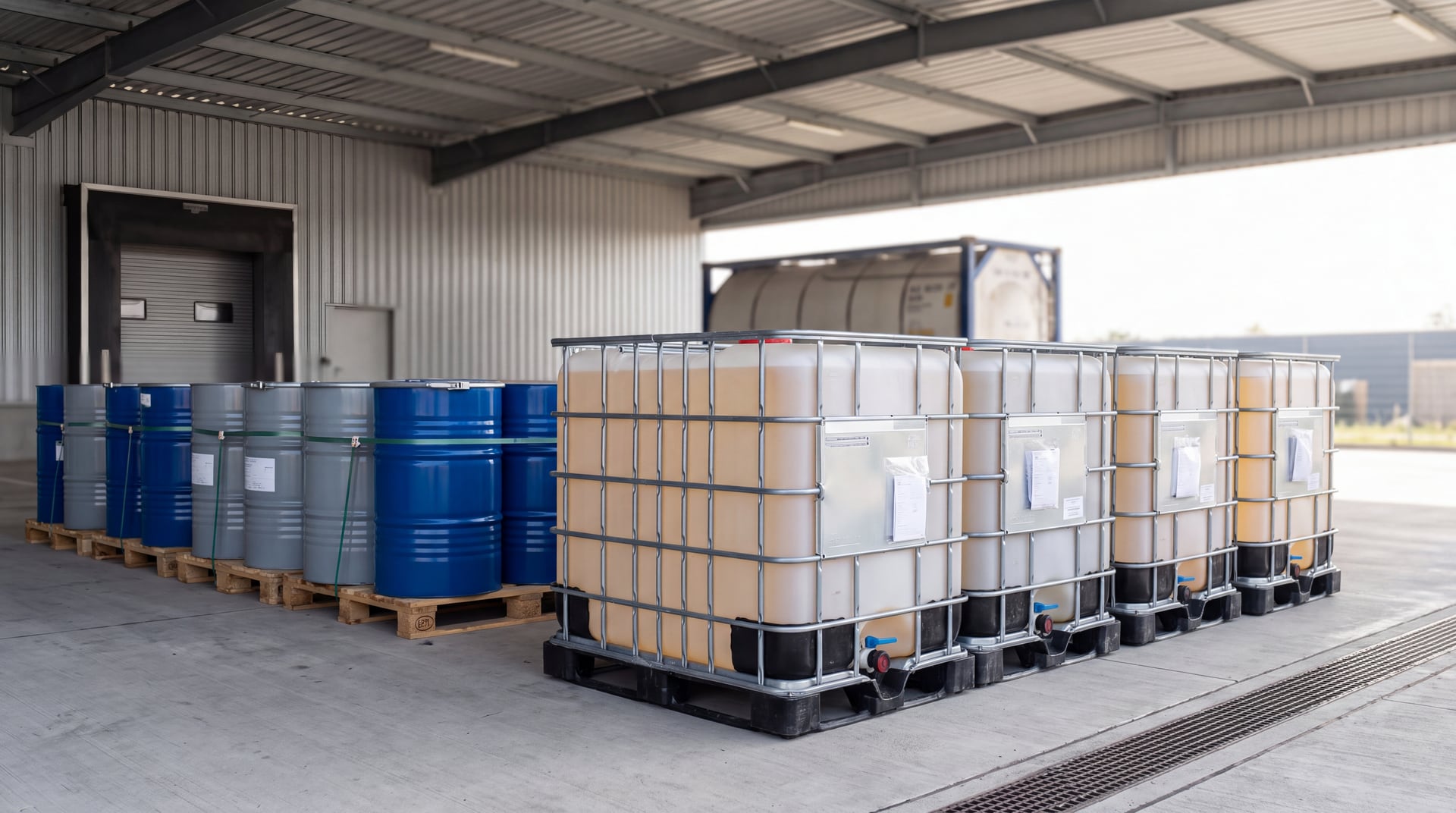
Suitable for smaller lots or routes where palletised handling is required. Drum type, net weight, pallet configuration and container loading must be confirmed.
Base oils & petroleum materials
FORET develops B2B supply opportunities for base stocks and selected petroleum-derived materials. Each enquiry is assessed by specification, origin, quantity, loading format, destination, documentation and transaction structure.
Products we review
Enquiries may include the following categories where a clear specification, supplier capability and workable trade route can be established:
Product names and common grade references are starting points only. The proposed product must be checked against the required parameter set.
A useful base-oil brief
Loading & shipment
Suitable for smaller lots or routes where palletised handling is required. Drum type, net weight, pallet configuration and container loading must be confirmed.
Considered where the product, container specification, handling conditions and destination requirements are compatible.
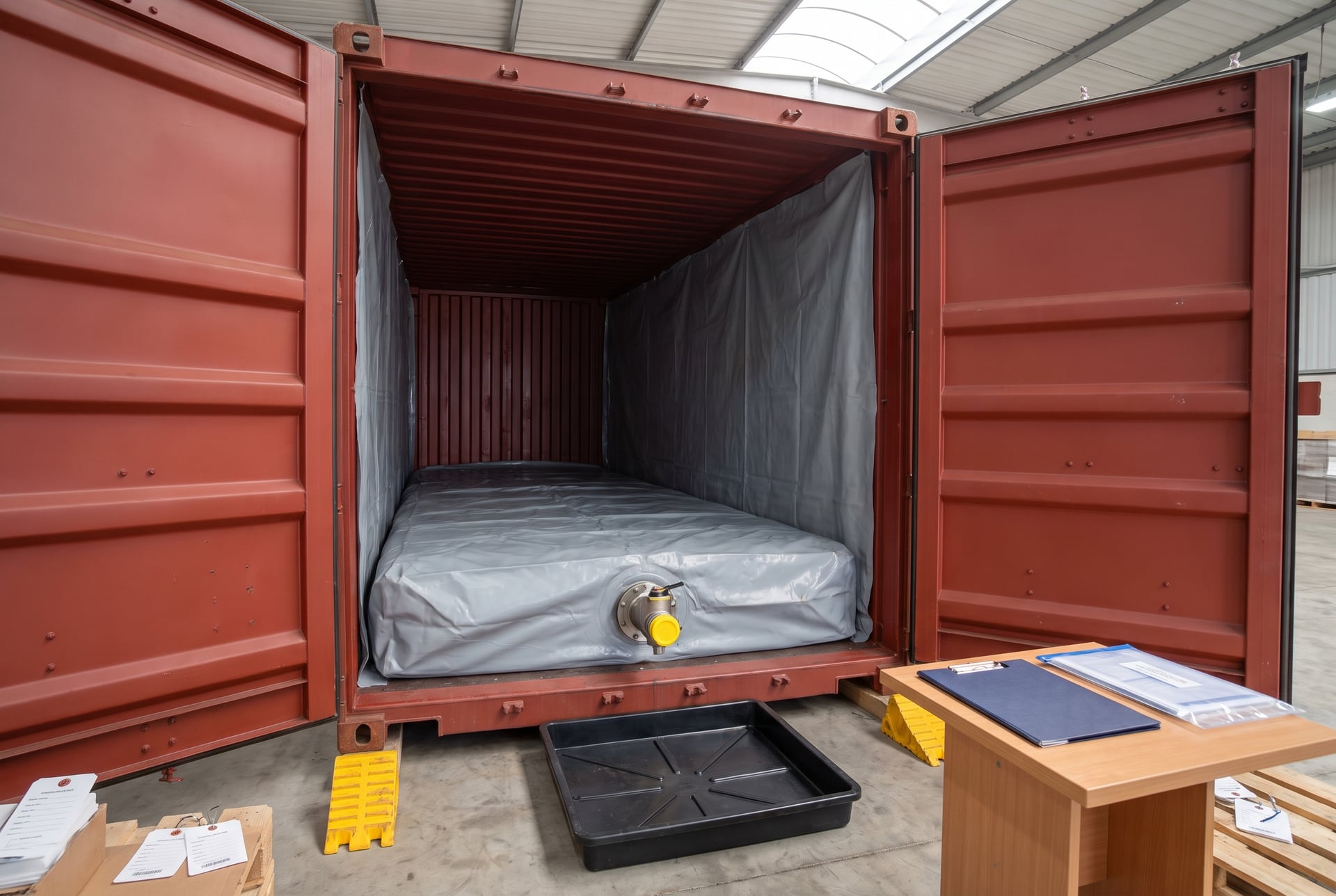
Requires confirmation of product suitability, flexitank specification, container preparation, loading procedure and destination handling capability.
Assessed for suitable volumes and routes, subject to equipment availability, loading access, cleaning requirements and contractual allocation of responsibilities.
Product & route control
Origin, supplier, loading point, destination, end use, counterparties, banking route and logistics format are reviewed as connected parts of the transaction. The availability of a grade in one market does not automatically establish a compliant or commercially workable route to another market.
Quality and batch documents must relate to the product offered. Generic brochures are not substitutes for the agreed specification or shipment documentation.
Include the destination, target timing and parameter set. Attach a specification or previous COA if it is relevant to product matching.
Submit a base-oil requirementIntroduce base-oil supply