Tires

Tire programmes built around exact size, application and market.

FORET develops B2B tire supply opportunities for passenger, SUV, light-commercial, truck and selected specialty applications. A workable programme begins with exact fitment, operating conditions, certification, quantity and destination.
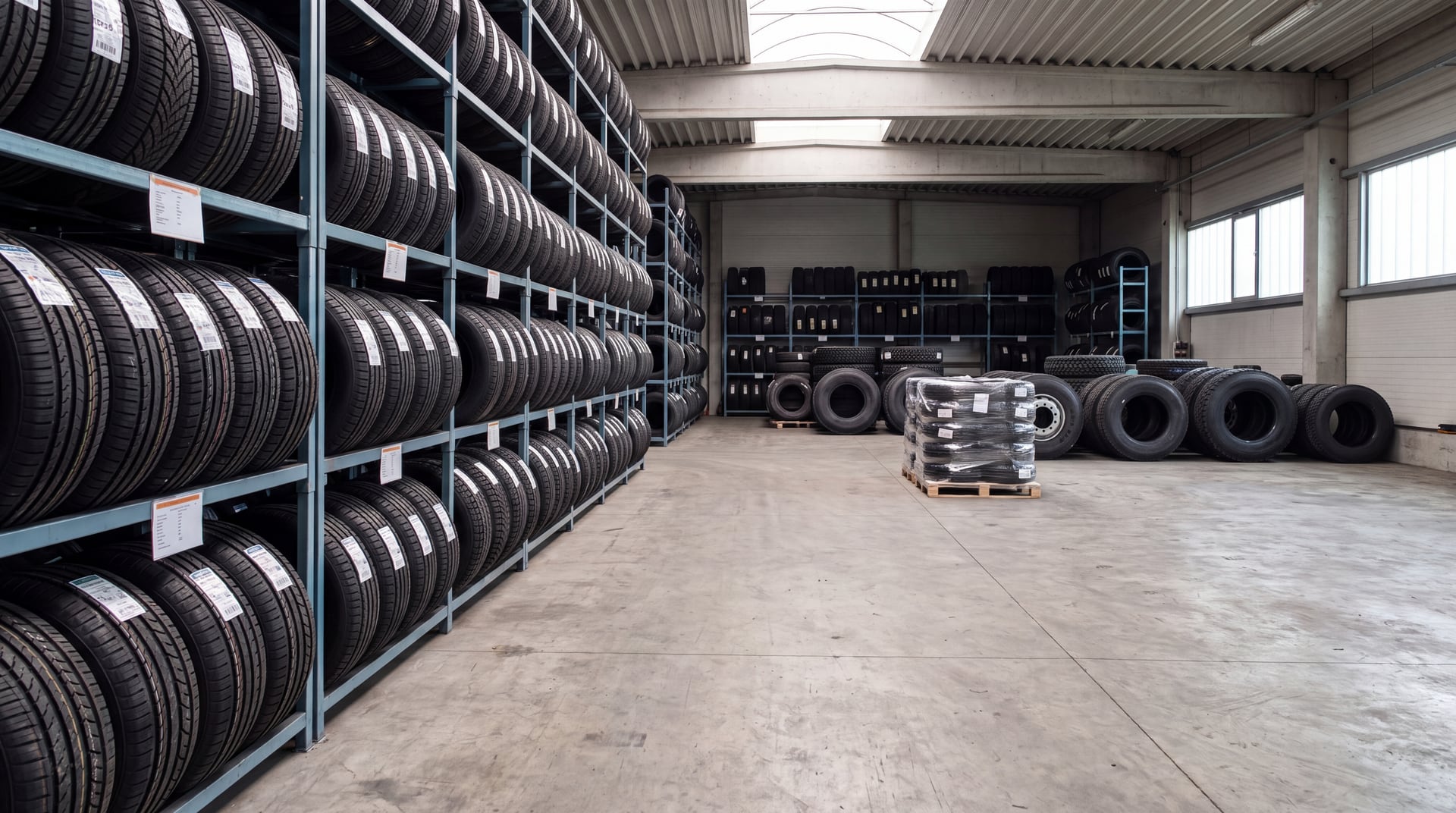
Organized tire storage for B2B distribution

Segments we review

Different applications require different commercial and technical inputs.

  • Passenger-car radial tires
  • SUV and 4×4 tires
  • Light-commercial vehicle tires
  • Truck and bus radial tires
  • Selected OTR, industrial or specialty applications
  • Brand, private-label and market-specific assortment discussions

The exact product range, brand status, production allocation and certification are confirmed for the specific enquiry.

A useful tire brief

Size alone is not enough for a dependable quotation.

  • Tire size
  • Load index and speed rating
  • Passenger, SUV, LCV, TBR, OTR or other application
  • Tread pattern, axle position or operating environment where relevant
  • Summer, winter, all-season or market-specific requirement
  • Tube type / tubeless and construction requirement where relevant
  • Required certification or market compliance
  • Acceptable production-date criteria
  • Brand requirement, price segment or private-label interest
  • Quantity by size and expected order frequency
  • Packing, loading preference and destination
  • Preferred Incoterm and target shipment window
Download tire RFQ template XLSX · 8.2 KB

Commercial formats

The programme structure depends on volume, market and supplier capability.

Defined-size order

A quotation for a specified list of sizes and quantities, with product status, packing and shipment basis confirmed for the order.

Mixed container programme

A mixed assortment requires a compatible loading plan, minimum quantity by size and a clear rule for product substitution.

Recurring supply programme

Recurring business requires an agreed assortment, forecast basis, production planning, lead-time assumptions and update process.

Brand or private-label discussion

Brand, distribution and private-label opportunities are reviewed against territory, volume, certification, mould or artwork requirements, commercial rights and supplier policy.

A tire offer should make the exact product basis visible.

  • Brand, model or pattern
  • Size, load index and speed rating
  • Application and construction
  • Required or available certification
  • Production-date basis
  • Quantity by size and minimum order
  • Packing and container-loading basis
  • Origin and proposed supply point
  • Indicative production or shipment timing
  • Delivery and payment basis
  • Proposal validity and substitution rules

Product control

Similar size markings do not make two tire offers equivalent.

Load and speed rating, construction, pattern, intended application, certification, production period and market restrictions can materially affect suitability and value. These variables must be stated for the proposed product rather than inferred from a general catalogue image.

Production-date requirements must be agreed before order confirmation. They should not be assumed from a supplier’s general stock statement.

Tire tread and sidewall detail for specification review

Upload the size list and target market requirements.

Include quantity by size, certification, acceptable brands or segment, destination and target timing.

Submit a tire requirementIntroduce tire supply