Finished lubricants
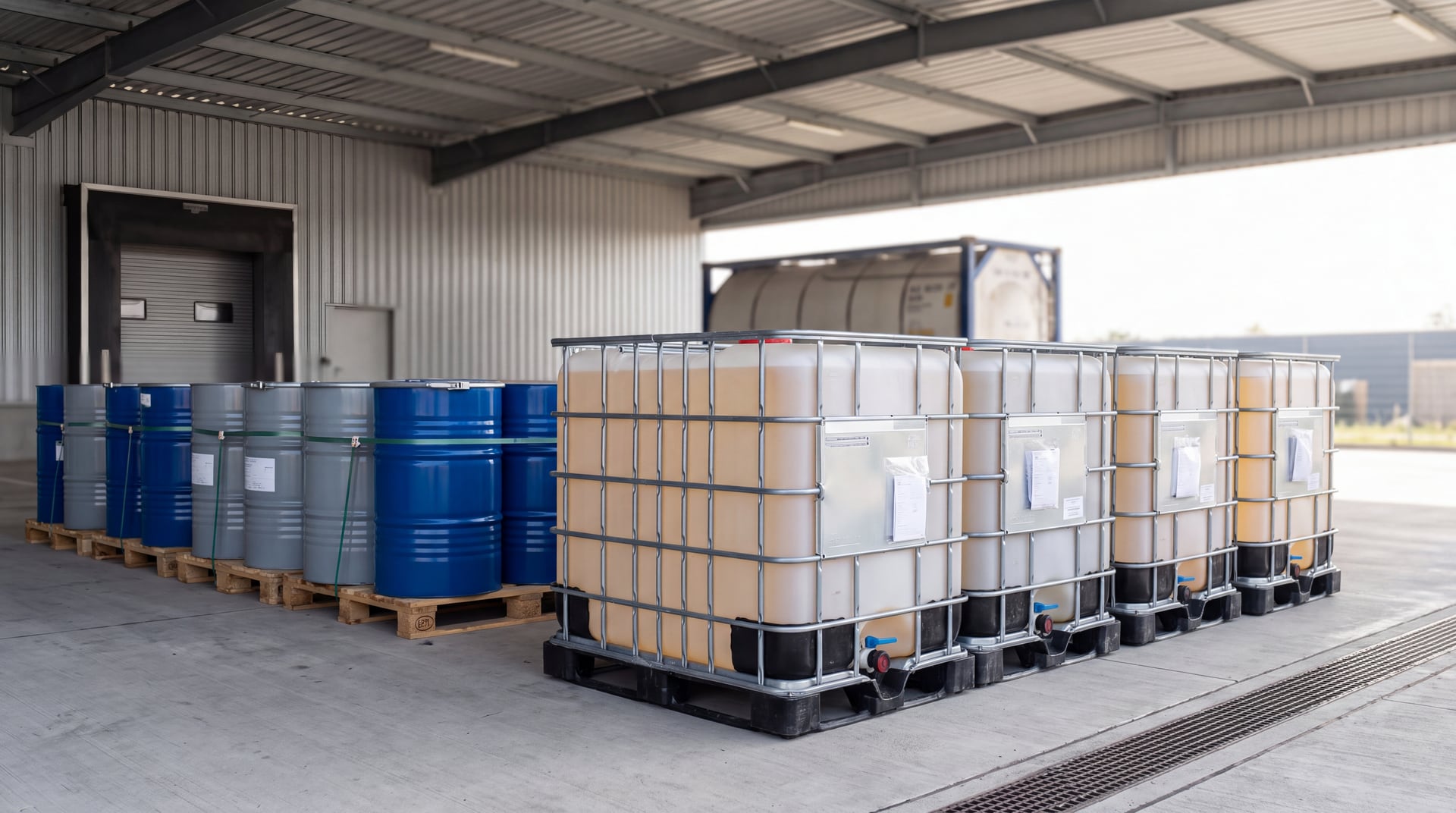
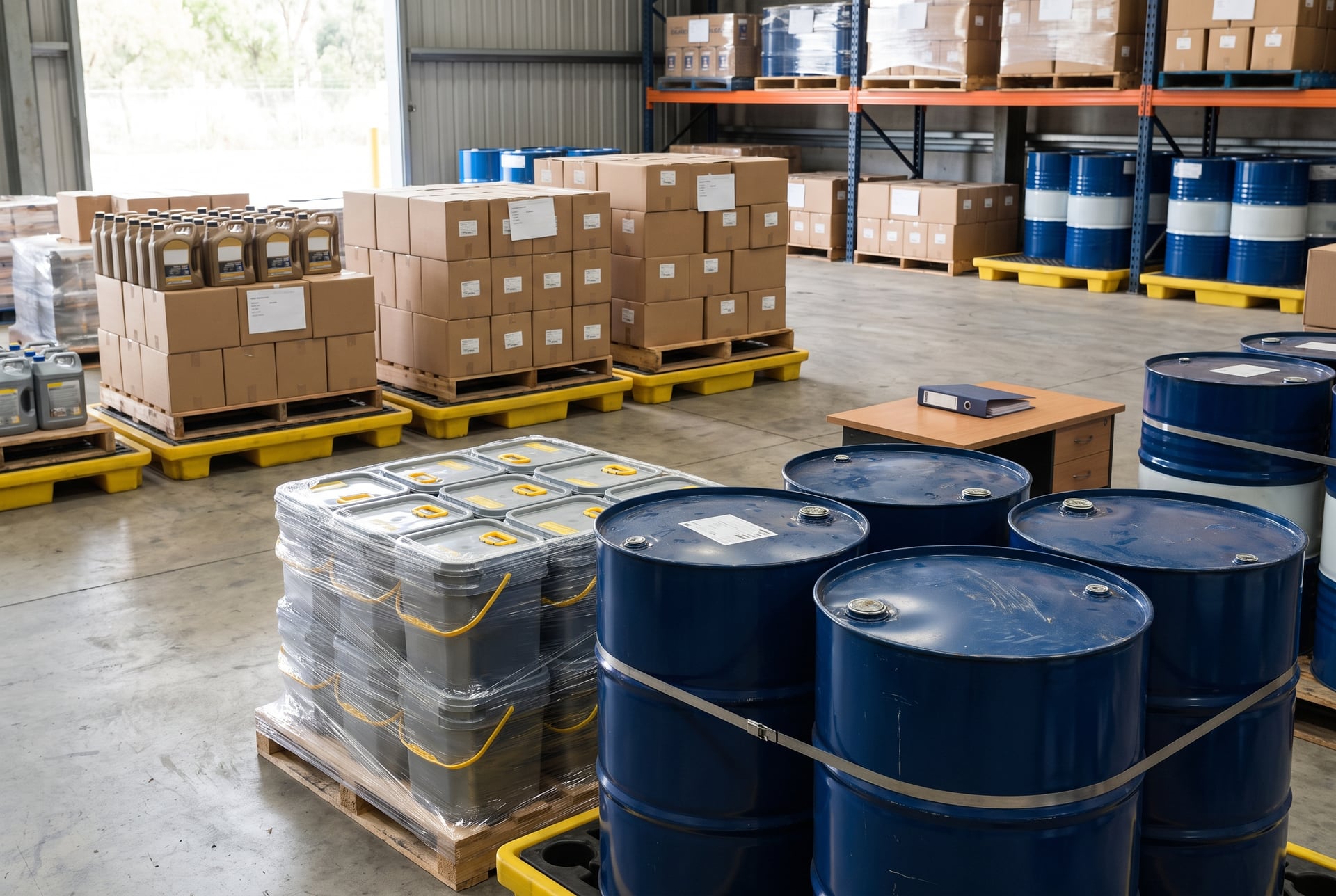
Passenger-car, heavy-duty and selected industrial lubricants, including branded, private-label and contract-manufactured opportunities where current supplier capability and documentation can be confirmed.
Explore lubricantsAutomotive & lubricant trade
FORET works with professional buyers, manufacturers and exporters across lubricants, base oils, tires and vehicle parts. We organise the product, commercial and documentary inputs needed to turn an enquiry into a workable offer.
Hong Kong commercial coordination · B2B enquiries · English / 中文

Product scope
We do not publish a static list of assumed stock. Every enquiry is assessed against the exact specification, quantity, packing, destination, timing and required documents.
Passenger-car, heavy-duty and selected industrial lubricants, including branded, private-label and contract-manufactured opportunities where current supplier capability and documentation can be confirmed.
Explore lubricantsGroup I, Group II and Group III base oils, Bright Stock and selected petroleum-derived materials assessed by grade, origin, quantity and loading format.
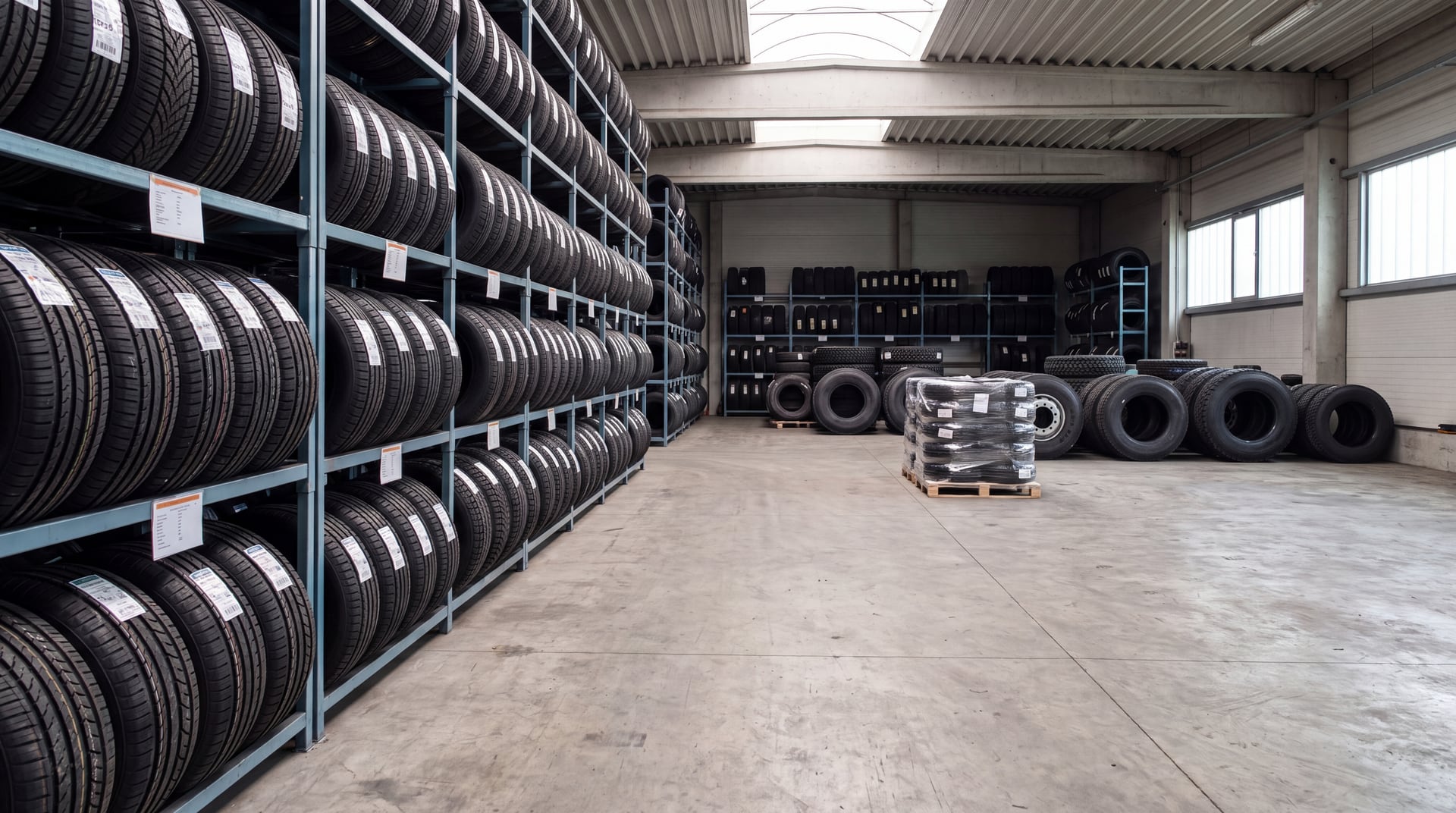
Explore base oilsPassenger, SUV, light-commercial, truck and selected specialty tire programmes defined by size, application, certification requirement and target market.
Explore tiresService and technical parts identified by part number, cross-reference, VIN or vehicle application, with the proposed product status stated clearly.
Explore spare partsFrom brief to proposal
A product name and target price rarely contain enough information for a dependable B2B transaction. FORET organises the variables that determine whether the product, route and commercial structure can work together.
We identify the product, application, specification, quantity, packing, destination, timing and document requirements that must be clear before meaningful sourcing or quotation.
Product status, origin, minimum lot, loading format, delivery basis, timing, payment structure and available documents are presented together so that the option can be evaluated as a whole.
Once commercial terms are agreed, the parties align the contract, documents, payment milestones, inspection or logistics arrangements and shipment communication required for the specific transaction.
For buyers
We structure the product match, quantity, packaging, delivery basis, indicative timing, payment structure and available documentation in one commercial response. Where a point is not confirmed, it is identified rather than assumed.
For suppliers
We review supplier portfolios against identifiable market requirements. A useful introduction includes products, production or supply location, MOQ, packing, lead time, export terms and current technical documents.
Commercial clarity
Depending on the product and stage of the discussion, a FORET proposal may set out:
A proposal is not treated as final until the relevant supplier, counterparty, document and transaction checks have been completed and the terms are confirmed in writing.
How we work
The buyer submits a product requirement or the supplier presents a defined portfolio.
Product fit, counterparties, origin, destination, route, documents and missing information are reviewed.
The commercial option is presented with the principal product, delivery, timing, payment and documentation variables.
Contractual terms, payment milestones, documents and shipment arrangements are aligned for the approved transaction.
See how we workProduct & shipment documents
The document set depends on the product, origin, destination and transaction structure. Where relevant, it may include technical and safety data, batch or quality records, origin evidence, approval support, commercial documents and transport documents.
FORET distinguishes between a manufacturer’s statement that a product meets a requirement and evidence of a current formal approval. The exact status must be stated for the proposed product.

Commercial focus
Our present commercial focus includes Hong Kong, Mainland China and Southeast Asia. Opportunities in other markets are assessed individually according to product, origin, destination, counterparties, end use, documentation, banking and logistics feasibility.
A market name does not imply permanent availability or a guaranteed route. Each transaction is assessed on its own facts.
FORET GROUP LIMITED
FORET GROUP LIMITED acts as a commercial coordination point for selected B2B transactions. We work from the exact requirement or supply capability, organise the information needed for a decision and agree the contracting role for each approved transaction.
Registered in Hong Kong · Business Registration No. 76645200
Company informationChoose whether you are buying or proposing supply. The enquiry form will guide you through the product and commercial details required for an initial review.
I am buyingI am supplyingPrefer email? Write to info@foret.hk